Introduction
The debate between servo press vs mechanical press has intensified as manufacturing demands shift toward higher precision, flexible production, and energy efficiency. Choosing the right drive technology directly impacts your part quality, cycle time, tooling life, and total cost of ownership.
Whether you are stamping EV motor laminations, automotive body panels, or precision electronic connectors, understanding the fundamental differences between servo-driven and conventional mechanical presses is essential. This guide provides a complete comparison to help you make the right investment for your stamping press solutions.
What Is a Mechanical Press?
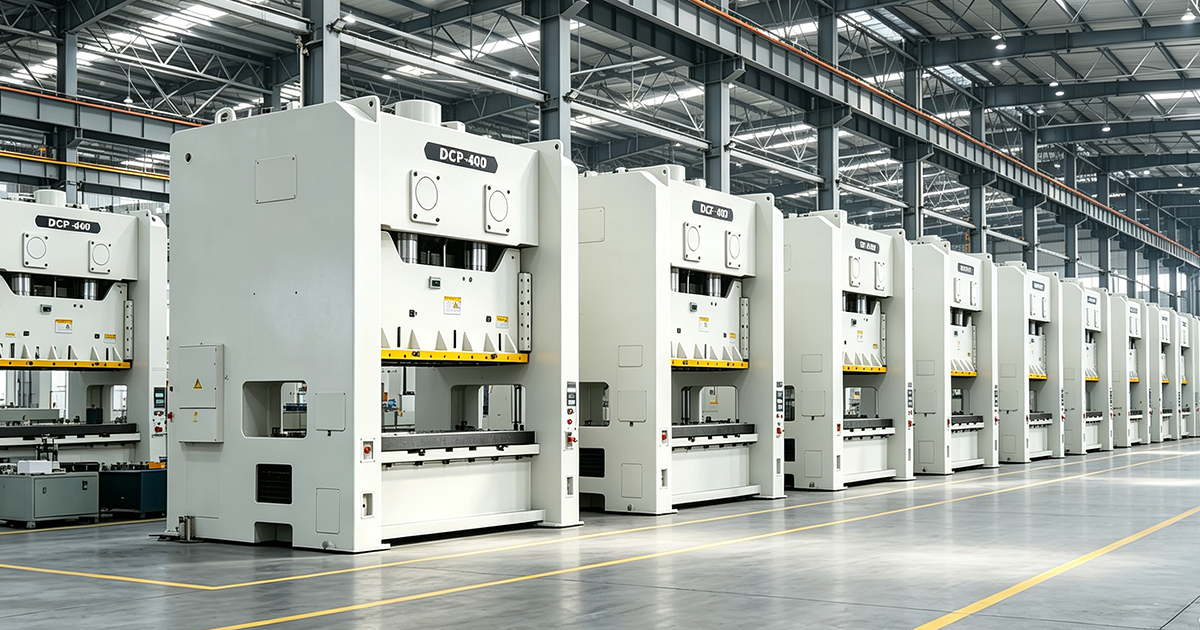
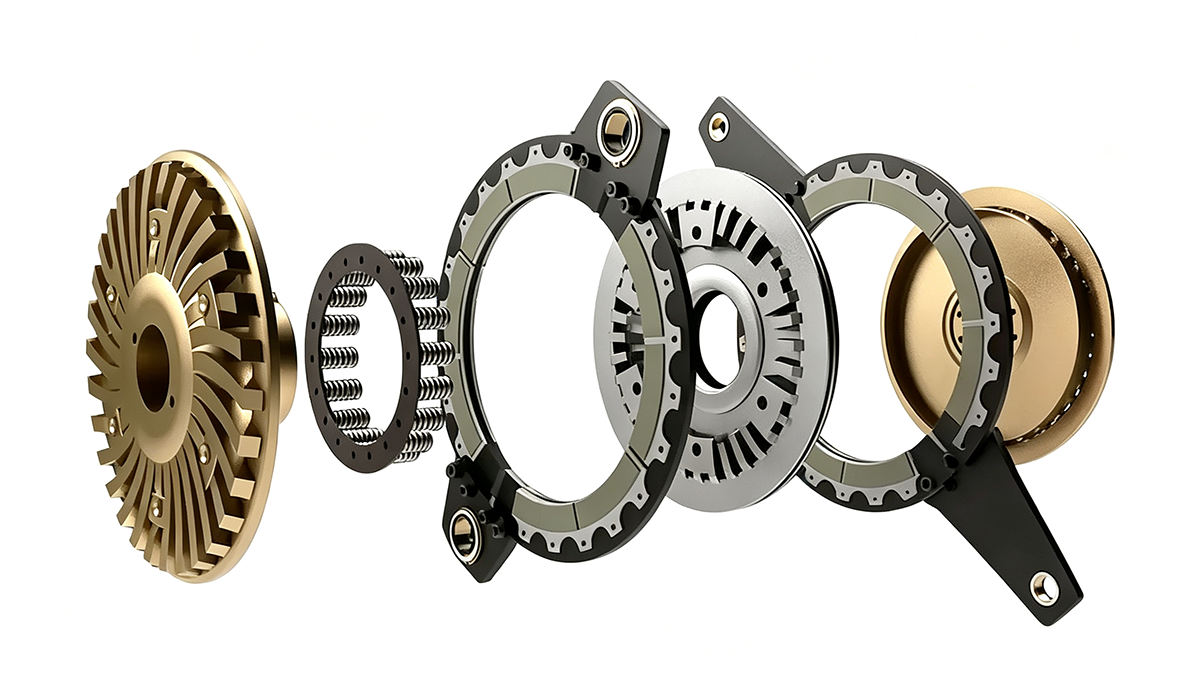
A mechanical press converts the rotational energy of a flywheel into linear ram motion through a crankshaft, eccentric gear, or toggle mechanism. The flywheel stores energy and delivers it as a fixed, sinusoidal stroke profile on every cycle.
Key characteristics:
- Fixed stroke length and speed — the ram follows the same curve every cycle
- High tonnage capability — available from 25 tons to over 3,000 tons
- Proven, robust technology with decades of industrial track record
- High stroke rates — up to 1,200 SPM on small-tonnage models
- Lower acquisition cost compared to servo presses at equivalent tonnage
How It Works
An electric motor continuously spins a heavy flywheel. When the operator engages the clutch, the flywheel connects to the crankshaft, which converts rotation into the ram's up-and-down motion. The stroke profile is a fixed sine wave — fast through center, slower at top and bottom dead center.
Advantages
- Speed: Mechanical presses achieve the highest stroke rates, making them ideal for high-volume progressive die stamping
- Cost: 20–40% lower purchase price than a servo press of equivalent tonnage
- Simplicity: Fewer electronic components mean lower maintenance complexity and easier troubleshooting
- Proven reliability: Decades of field data confirm long service life with proper maintenance
Limitations
- Fixed motion: No ability to vary speed, dwell, or stroke mid-cycle
- Energy waste: Flywheel runs continuously, consuming power even during idle strokes
- Impact loading: Full-speed contact at bottom dead center increases shock and vibration
- Limited flexibility: Difficult to adapt for different materials or complex forming operations
What Is a Servo Press?
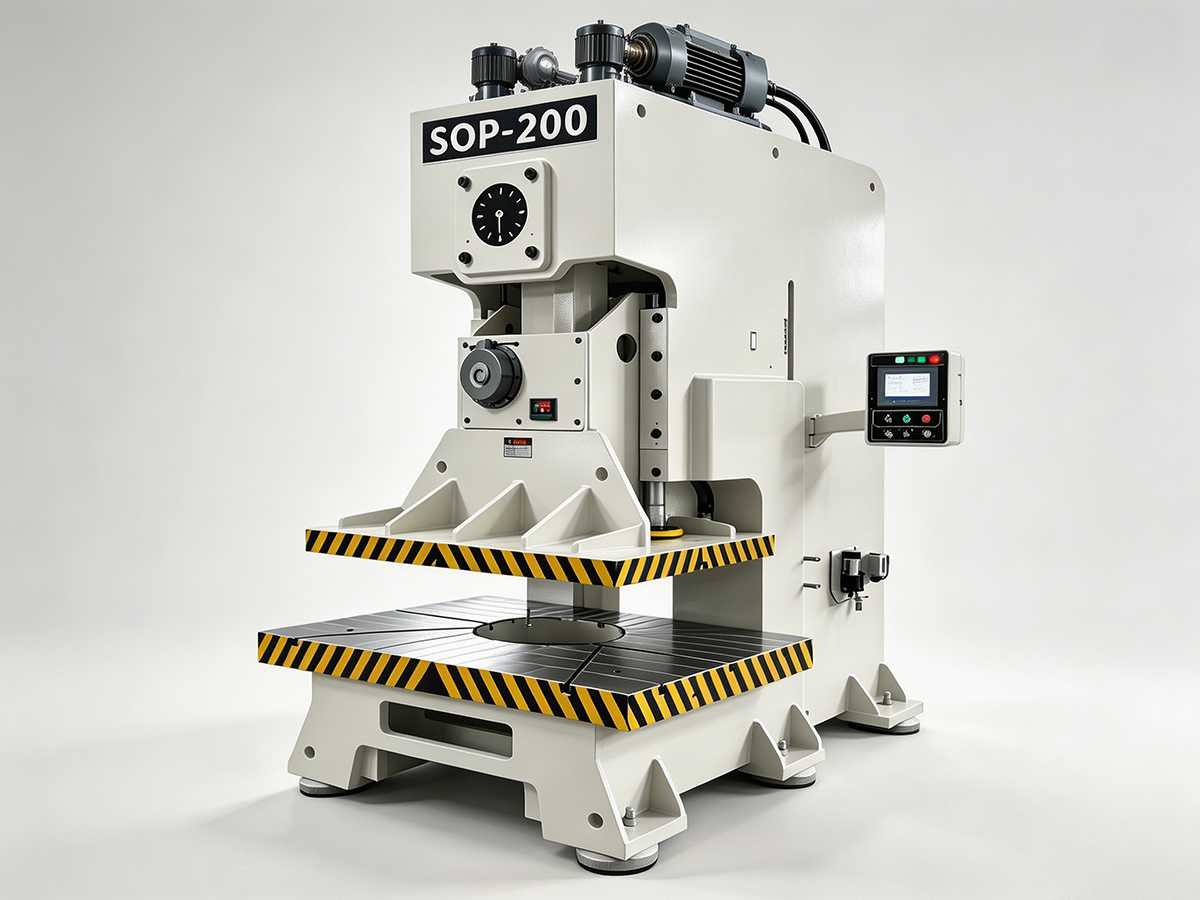
A servo press replaces the flywheel and clutch with a servo motor and precision drive system that directly controls the ram position, speed, and force throughout the entire stroke. The operator can program any ram motion profile — not just a fixed sine wave.
Key characteristics:
- Fully programmable stroke — adjustable speed, dwell, bottom dead center position, and return speed
- Real-time force monitoring and feedback control
- Available from 30 tons to 1,500+ tons
- Energy regeneration during deceleration phases
- Higher acquisition cost, but lower total cost in many applications
How It Works
A high-torque servo motor drives the crankshaft or ball screw mechanism directly. The motor controller adjusts speed and torque in real time based on the programmed motion profile. Unlike a mechanical press, there is no flywheel storing kinetic energy — the motor delivers force on demand.
Advantages
- Programmable motion: Custom stroke profiles — slow approach, fast punch, dwell at bottom, fast return. Optimize for each material and die
- Energy savings: Motor only runs during the stroke; regenerative braking recovers energy. 30–50% lower energy consumption vs mechanical
- Gentle forming: Slow-speed contact reduces impact shock, extending die life by 20–50%
- Precision: ±0.01 mm repeatability on bottom dead center position
- Versatility: One press can handle multiple operations by changing the motion program — no mechanical adjustments needed
Limitations
- Higher cost: 30–60% more expensive at equivalent tonnage
- Stroke rate: Typically 10–30% slower at maximum speed compared to mechanical presses
- Complexity: Requires servo drive expertise for programming and maintenance
- Tonnage ceiling: Most manufacturers cap servo presses at 800–1,500 tons
Side-by-Side Comparison
| Parameter | Mechanical Press | Servo Press |
|---|---|---|
| Drive system | Flywheel + clutch + crankshaft | Servo motor + crank/ball screw |
| Stroke profile | Fixed sine wave | Fully programmable |
| Max stroke rate | Up to 1,200 SPM | Up to 800 SPM |
| BDC repeatability | ±0.05 mm | ±0.01 mm |
| Energy consumption | Higher (flywheel always spinning) | 30–50% lower (on-demand + regen) |
| Die impact shock | Higher (full speed contact) | Lower (programmable approach speed) |
| Die life | Standard | 20–50% longer |
| Tonnage range | 25 – 3,000+ tons | 30 – 1,500 tons |
| Purchase price | Lower | 30–60% higher |
| Programming | Mechanical adjustment | Software-based, recipe recall |
| Maintenance | Clutch/brake wear parts | Fewer wear parts, drive electronics |
| Best for | High-speed progressive stamping | Precision forming, flexible production |
When to Choose a Mechanical Press
- ✅ High-volume progressive die stamping — when maximum strokes per minute is the top priority
- ✅ Simple blanking and punching — operations that don't benefit from variable motion profiles
- ✅ Budget-constrained projects — lower capital investment with proven reliability
- ✅ Heavy tonnage needs — applications above 1,500 tons where servo options are limited
- ✅ Consistent, same-material runs — production that doesn't require frequent changeovers
Typical applications: High-speed connector stamping, motor lamination blanking, automotive bracket stamping, appliance panel production
When to Choose a Servo Press
- ✅ Deep drawing and complex forming — programmable dwell at bottom dead center improves material flow
- ✅ Multi-material production — switch motion profiles via software for different materials and thicknesses
- ✅ Tight tolerance parts — ±0.01 mm BDC repeatability ensures consistent part quality
- ✅ Delicate or coated materials — slow approach speed prevents surface damage
- ✅ Energy-conscious operations — 30–50% energy savings reduce operating costs over the press lifetime
- ✅ Prototype and short-run work — quick recipe changes eliminate mechanical setup time
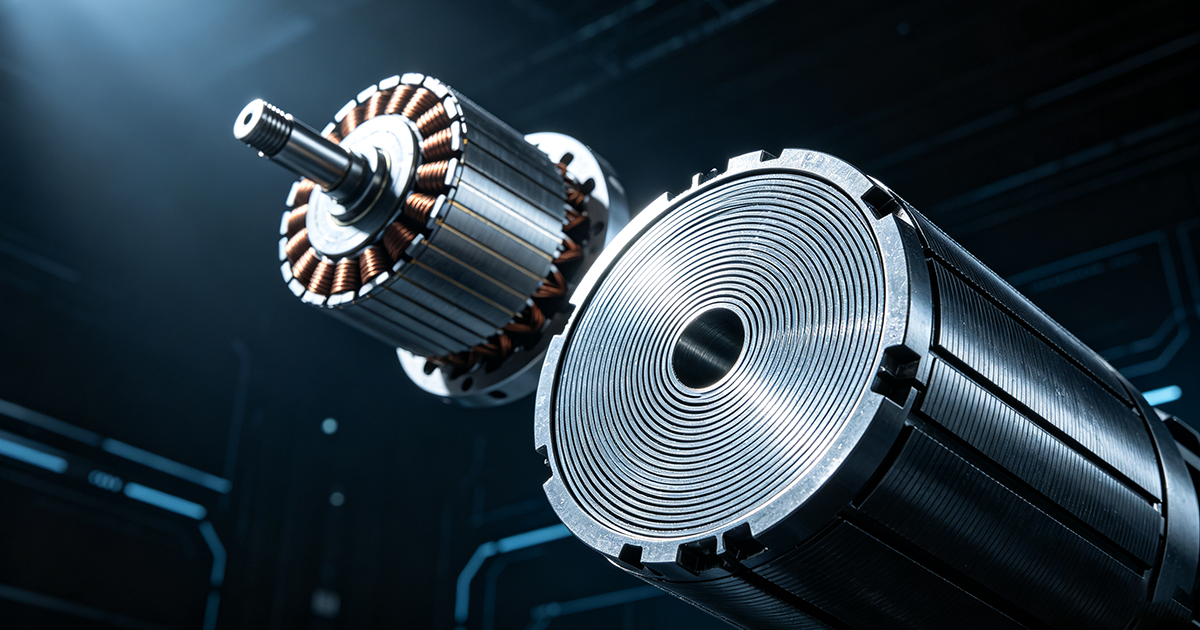
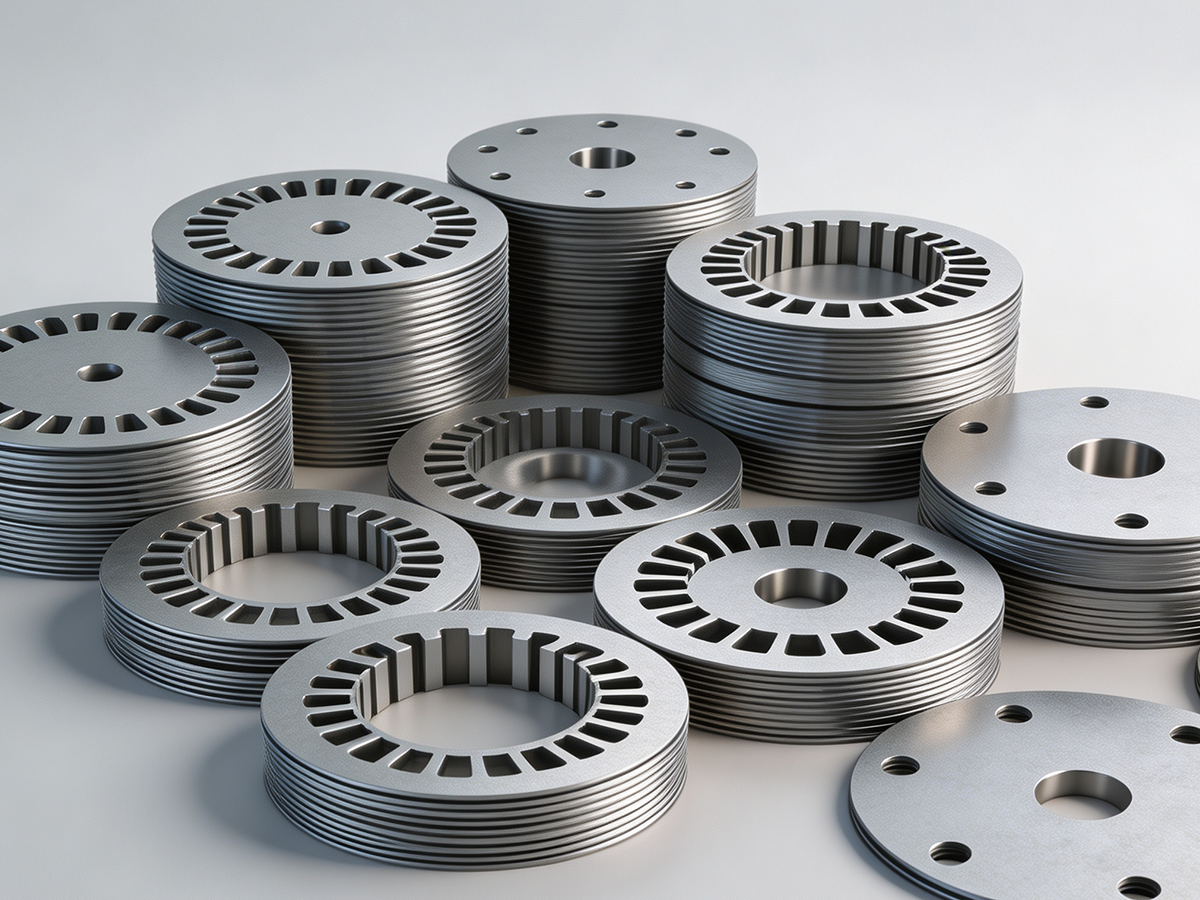
Typical applications: EV motor core lamination, precision electronic connectors, medical device stamping, aerospace components, progressive die work requiring motion optimization
Total Cost of Ownership
While a servo press has a higher purchase price, the total cost of ownership (TCO) often favors the servo press over a 5–10 year period:
- Energy savings: 30–50% reduction in electricity costs — significant at high duty cycles
- Die life extension: 20–50% longer die life reduces tooling replacement costs (a progressive die can cost $20,000–$200,000)
- Reduced scrap: Precise BDC control means fewer out-of-tolerance parts
- Faster changeovers: Software-based recipe recall eliminates mechanical adjustment time
- Less downtime: Fewer mechanical wear parts (no clutch/brake assembly to replace)
Rule of thumb: If your annual production exceeds 500,000 strokes or your die cost exceeds $50,000, a servo press typically pays back the premium within 2–3 years through energy savings, die life extension, and reduced scrap.
Decision Framework
Use these questions to guide your decision:
- What is your primary operation?
- Simple blanking/punching at high speed → Mechanical press
- Deep drawing, forming, or multi-step operations → Servo press
- How many different parts do you run?
- One or two parts, long runs → Mechanical press
- Multiple parts, frequent changeovers → Servo press
- What tolerance does your part require?
- ±0.1 mm or looser → Mechanical press is sufficient
- Tighter than ±0.05 mm → Servo press recommended
- What is your annual stroke volume?
- Under 500,000 strokes/year → Mechanical press
- Over 1 million strokes/year → Servo press (energy savings compound)
- Are you stamping delicate or coated materials?
- No → Mechanical press
- Yes (stainless steel, coated sheet, thin foil) → Servo press
About Taifeng Machinery
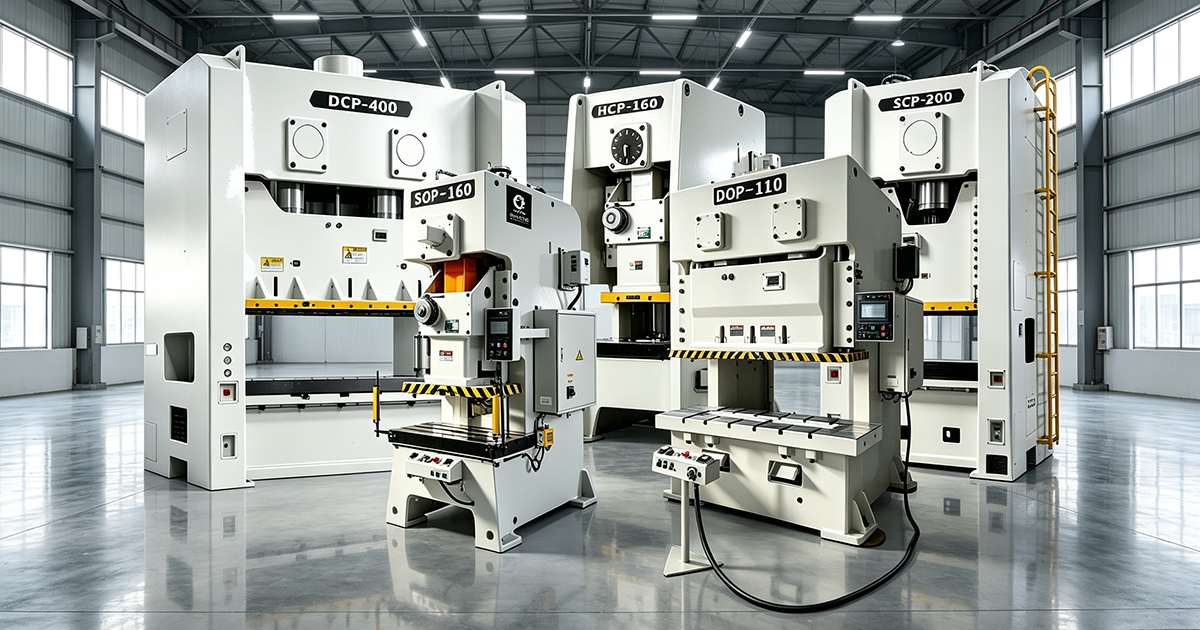
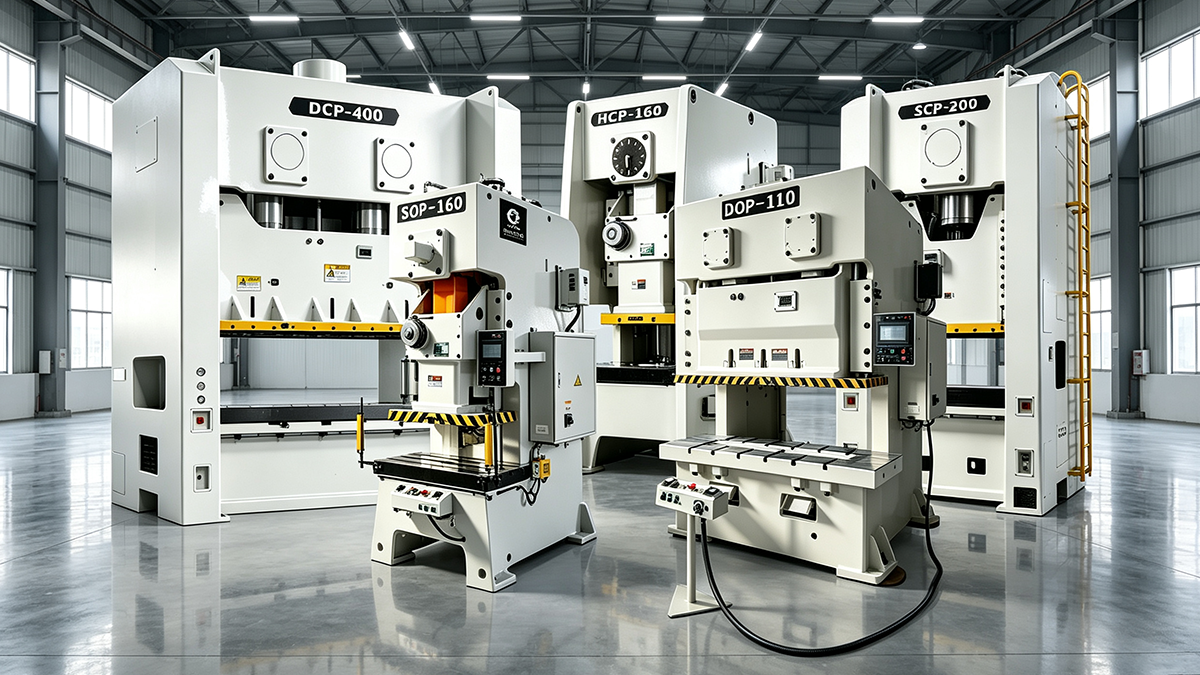
Taifeng Machinery manufactures both servo-driven and mechanical stamping presses from 25 tons to 600 tons. Our engineering team helps manufacturers select the right drive technology based on their specific application, material, tolerance, and production volume requirements.
Need help choosing between a servo and mechanical press for your application?
- 📞 WhatsApp: +86 158 1350 2570
- 📧 Email: mxianglife@gmail.com
- 🌐 Visit: taifengpress.com