Introduction
The global electric vehicle market is projected to reach 40 million units annually by 2030. Every EV needs 1–3 traction motors, and every motor needs hundreds of precisely stamped silicon steel laminations stacked into rotor and stator cores.
This demand has created a gold rush for motor core stamping — but selecting the wrong press can cost manufacturers millions in scrap, rework, and lost production. Lamination stamping is one of the most demanding applications in metal forming: tight tolerances, ultra-thin material, high speeds, and zero tolerance for burrs or deformation.
This guide walks you through everything you need to know to select the right lamination press for EV motor core production.
What Is Motor Lamination Stamping?
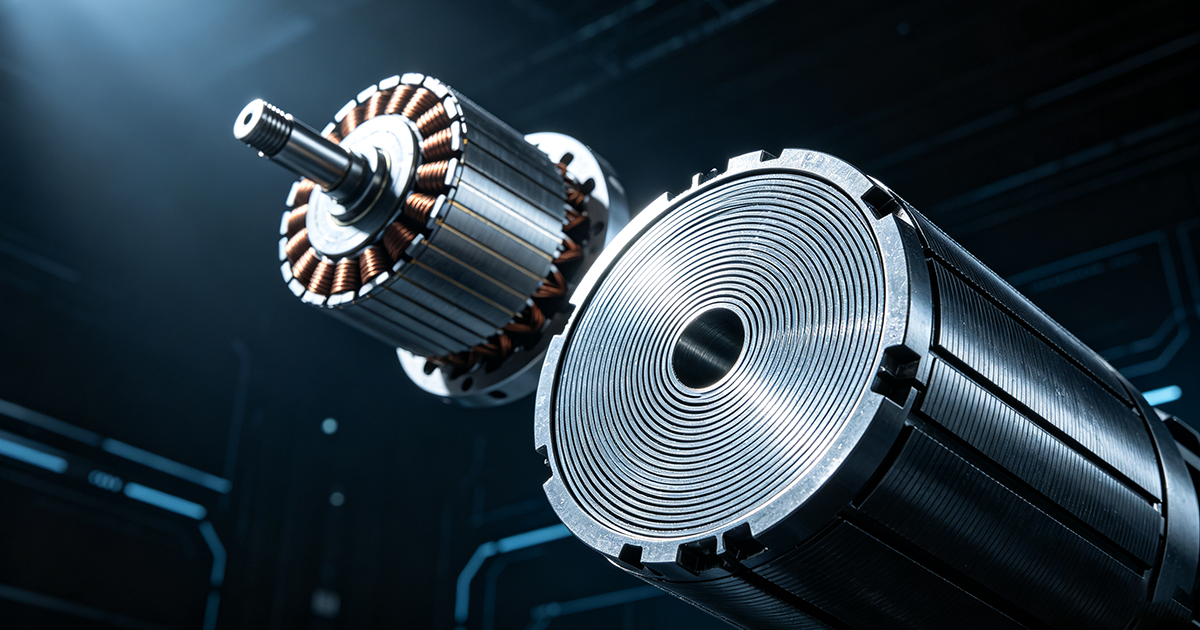
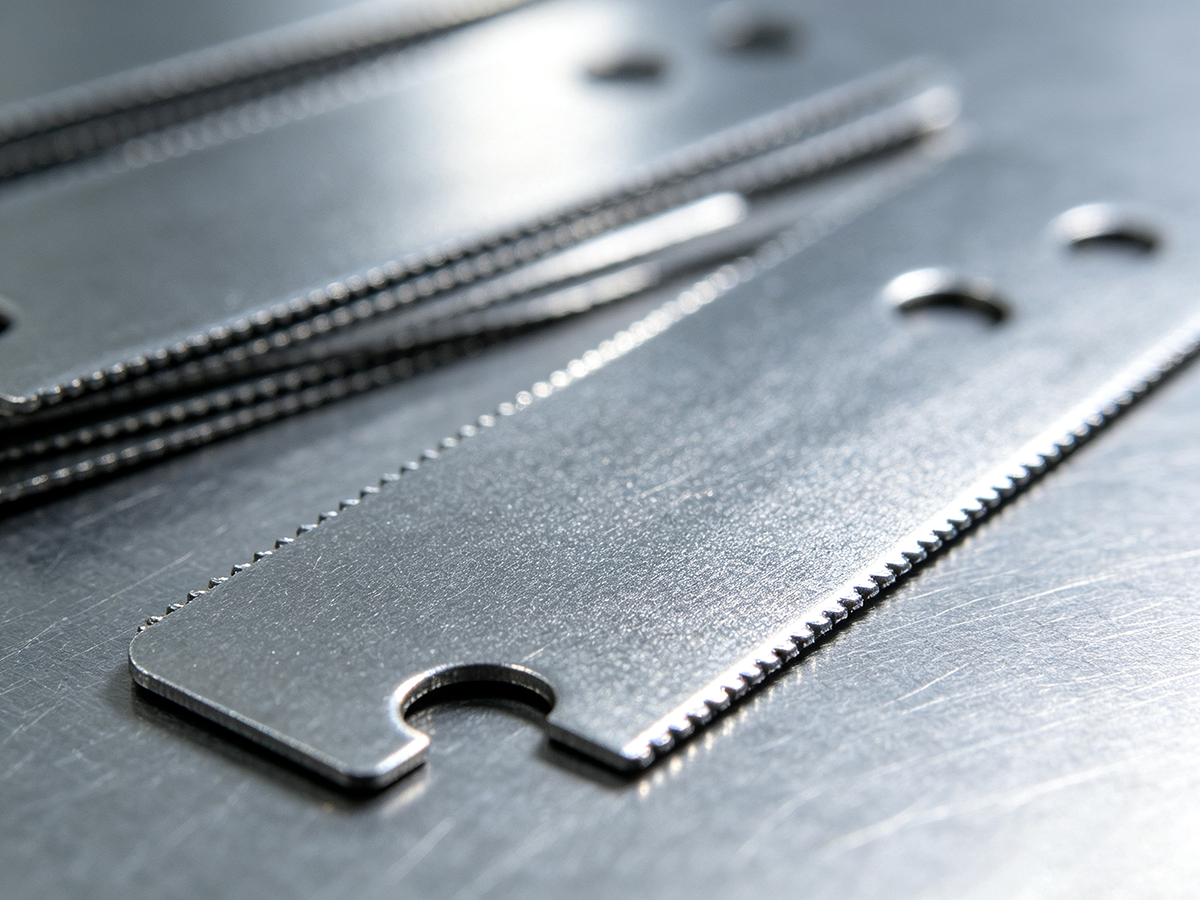
A motor core (rotor or stator) is built by stacking hundreds of thin silicon steel sheets — called laminations — to reduce eddy current losses. Each lamination is stamped from electrical steel sheet (typically 0.2–0.5 mm thick) using a progressive die in a high-speed press.
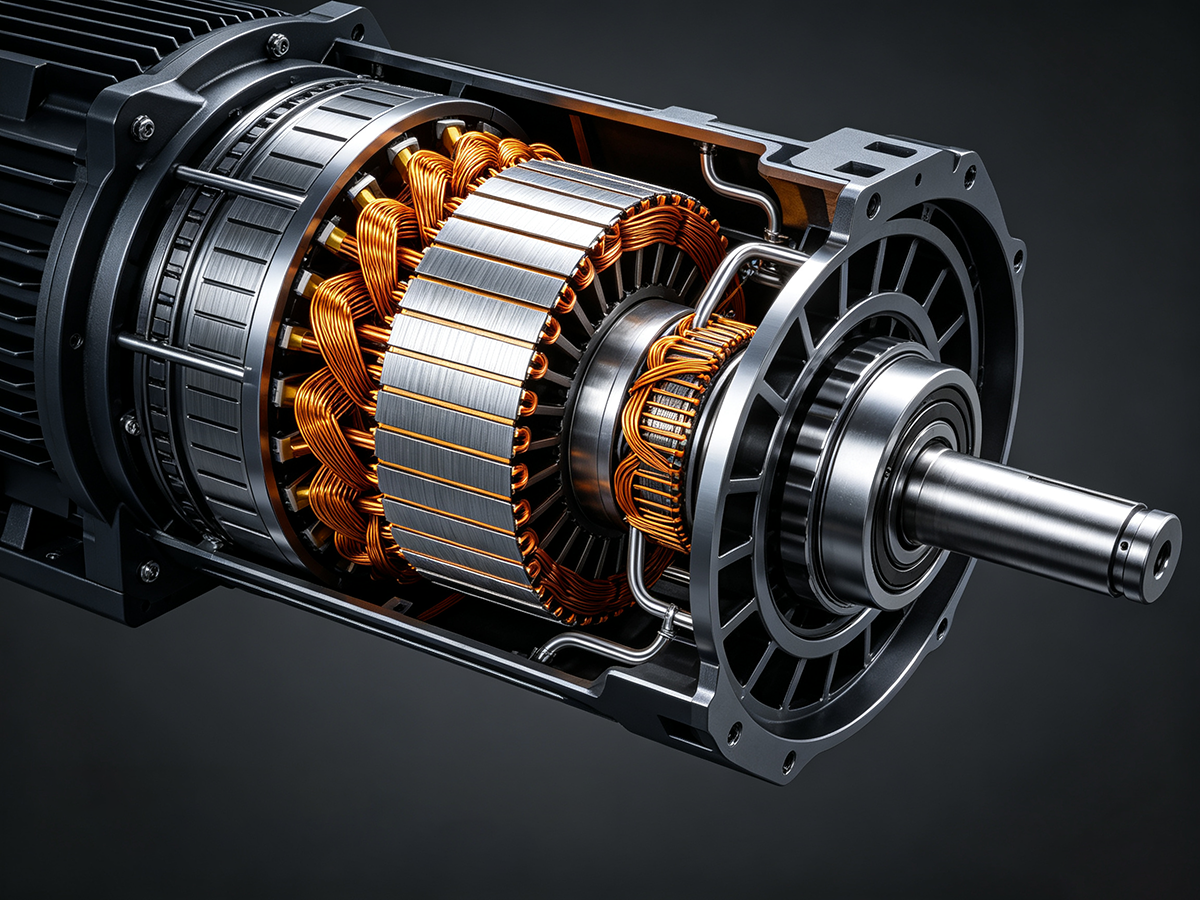
Key parameters of a typical EV motor lamination:
| Parameter | Typical Range |
|---|---|
| Material | Silicon steel (non-grain oriented) |
| Sheet thickness | 0.25–0.35 mm |
| Dimensional tolerance | ±0.02–0.05 mm |
| Burr height | ≤0.02 mm |
| Stacking method | Interlocking / welding / bonding |
| Parts per motor | 200–600 laminations |
| Slots per lamination | 24–72 (varies by motor design) |
Why EV Motors Are Different
Traditional industrial motors use simple lamination geometries. EV traction motors are fundamentally more demanding:
1. Complex Geometry
EV motors (especially interior permanent magnet / IPM designs) have V-shaped magnet slots, flux barriers, and thin bridge sections that require extremely precise punch control.
2. Thinner Material
To maximize power density, EV motor laminations use 0.25–0.30 mm silicon steel — thinner than the 0.5 mm standard in industrial motors.
3. Higher Speed Requirements
EV motor production volumes (100,000–500,000 motors/year per line) require stamping speeds of 200–400 SPM with consistent quality.
4. Zero-Defect Stacking
Modern EV motors use self-bonding lamination technology — the laminations are stacked and bonded during stamping without separate welding or riveting.
Types of Presses for Lamination Stamping
A. High-Speed Mechanical Press
The industry standard for high-volume lamination stamping.
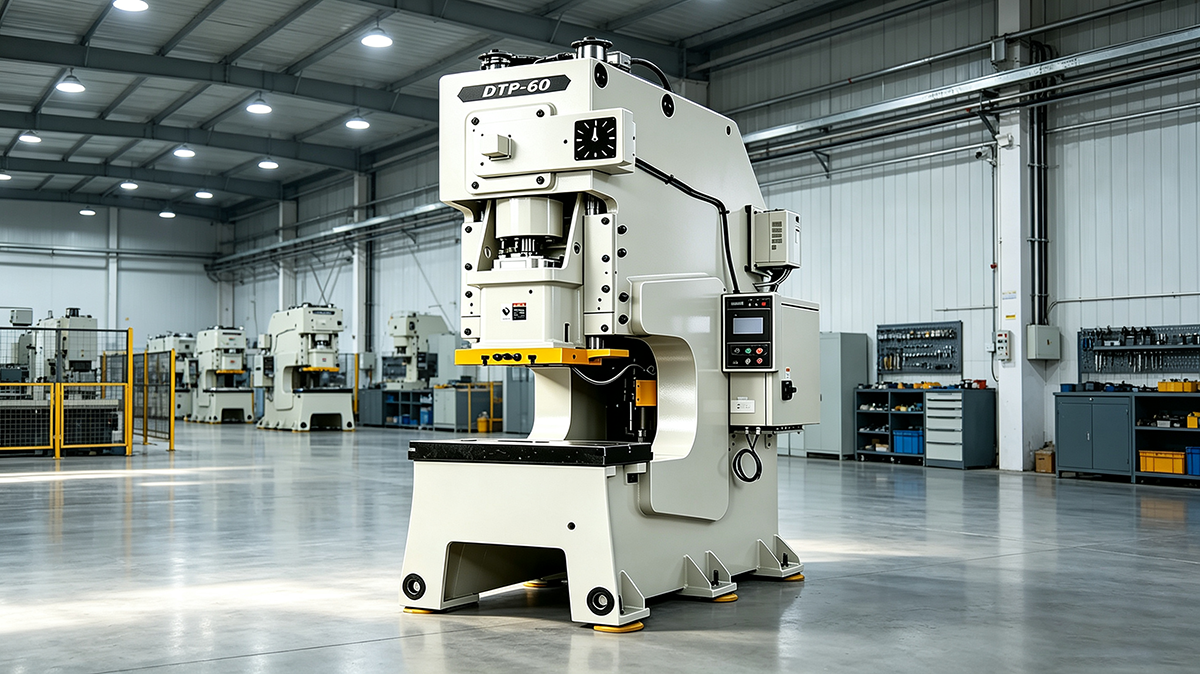
- Speed: 150–400 SPM
- Tonnage: 60–300 tons
- Stroke: 20–40 mm (short stroke for lamination work)
- Accuracy: ±0.01–0.02 mm at bottom dead center
Best for: High-volume rotor/stator stamping with progressive dies at 250+ SPM.
B. Servo Press
The fastest-growing category in lamination stamping.
- Speed: 100–300 SPM (variable — programmable)
- Tonnage: 60–500 tons
- Stroke: Fully programmable (speed, position, dwell)
- Accuracy: ±0.005–0.01 mm
Key advantages: Programmable slide motion, dwell at bottom dead center, energy savings of 30–50%, real-time tonnage monitoring.
C. Tandem / Transfer Press Lines
For very high volumes with complex multi-stage forming — multiple presses in sequence with automated transfer between stations.
How to Select the Right Lamination Press
Step 1: Define Your Lamination Specifications
Before evaluating presses, gather these inputs:
| Input | Why It Matters |
|---|---|
| Lamination OD / ID | Determines press bed size and tonnage |
| Material thickness | Affects die clearance and punch force |
| Material grade | Higher silicon content = harder to stamp |
| Slot count and geometry | Determines number of punch stations |
| Tolerance requirements | Sets minimum press accuracy class |
| Stacking method | Interlocking tabs need forming stations |
Step 2: Calculate Required Tonnage
Basic formula:
Tonnage = (Cutting perimeter × Material thickness × Shear strength) / 1,000Example — EV rotor lamination: OD 200 mm, 48 slots, 0.30 mm silicon steel → Tonnage ≈ 38 tons → Select 50-ton minimum with 30% safety margin.
Step 3: Match Press Speed to Production Volume
| Annual Volume | Required SPM | Press Type |
|---|---|---|
| < 50,000 motors | 100–150 | Servo press or standard mechanical |
| 50,000–200,000 | 150–250 | High-speed mechanical or servo |
| 200,000–500,000 | 250–350 | High-speed mechanical (dedicated) |
| > 500,000 | 300–400+ | Tandem line or multi-press system |
Step 4: Evaluate Press Accuracy
Lamination stamping requires JIS Special Class or Class 1 accuracy. For EV motor laminations, JIS Class 1 minimum. For self-bonding laminations, JIS Special Class recommended.
Progressive Die Design for EV Motor Laminations
The progressive die is the heart of lamination production. A typical EV motor lamination die includes:
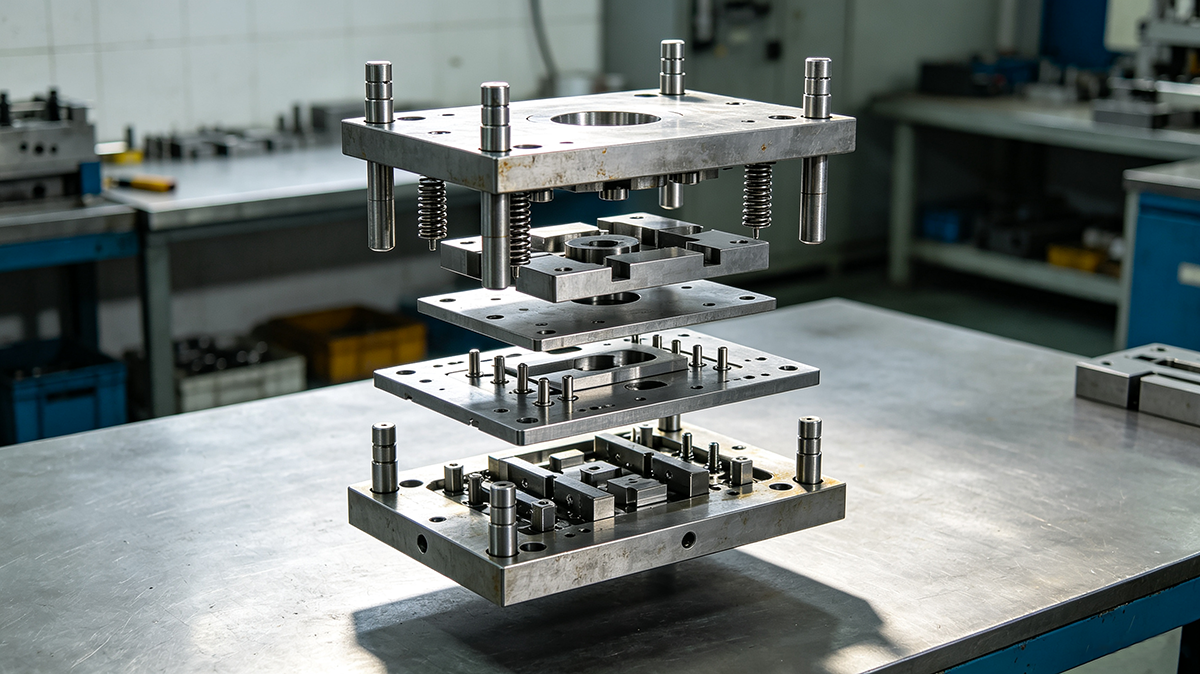
- Pilot punching station — establishes reference holes for pitch control
- Slot punching station — punches all rotor or stator slots
- ID/OD punching station — separates lamination from strip
- Forming station — creates interlocking tabs or magnet slots
- Stacking station — auto-stacks laminations in the die
Die cost: ¥200,000–800,000 ($30,000–120,000) depending on complexity. Die life: 50–100 million strokes with proper maintenance and carbide tooling.
Common Mistakes in Lamination Press Selection
- ❌ Undersizing tonnage — Always include safety margin
- ❌ Ignoring deflection — Lack of rigidity produces inconsistent parts
- ❌ Choosing speed over accuracy — Accuracy first, then speed
- ❌ Neglecting servo advantages — Programmable stroke can eliminate secondary operations
- ❌ Poor coil handling — Match feeder quality to press accuracy
Taifeng Lamination Press Solutions
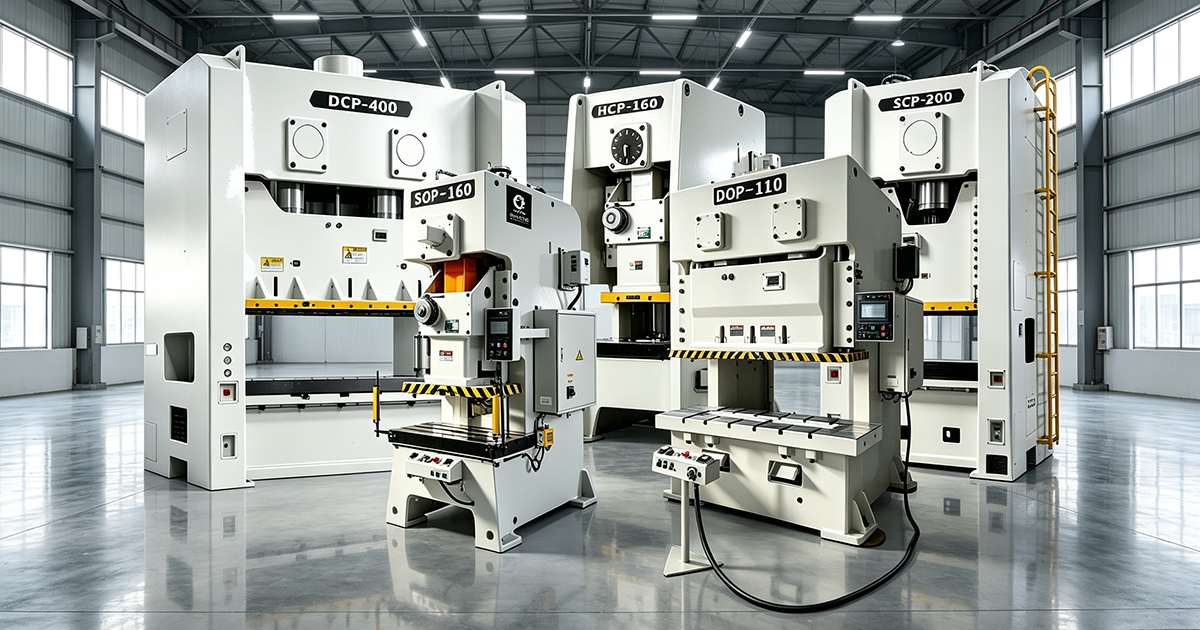
Taifeng Machinery offers high-speed mechanical presses (60–250 tons, 150–300 SPM) and servo presses (60–300 tons) specifically configured for EV motor lamination stamping.
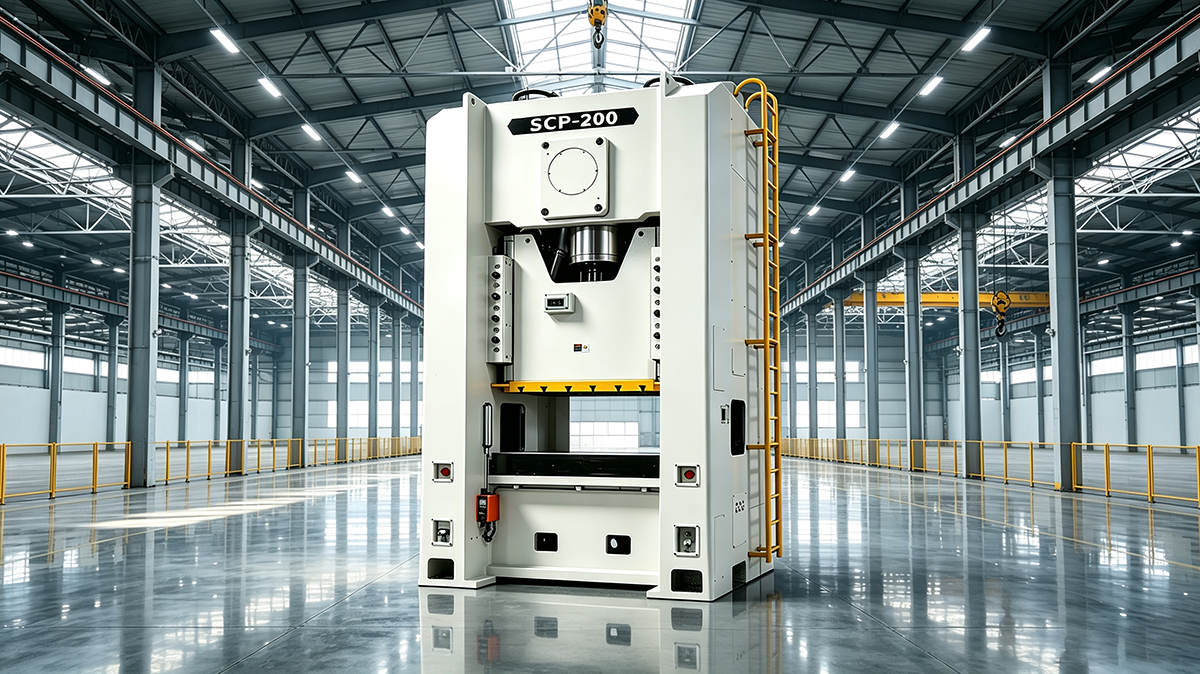
Our lamination press features:
- JIS Class 1 standard accuracy (Special Class optional)
- Short stroke design (25–35 mm) optimized for thin material
- Integrated tonnage monitoring and overload protection
- Compatible with all major progressive die and feeder brands
- Complete turnkey solutions: press + feeder + leveler + stacking
Shipped to: Vietnam, India, Mexico, Turkey, Indonesia, Thailand, Brazil, Egypt, and 30+ countries.
Ready to discuss your EV motor core stamping project? Send us your lamination drawing — we'll recommend the right press, die concept, and production line configuration within 48 hours.